
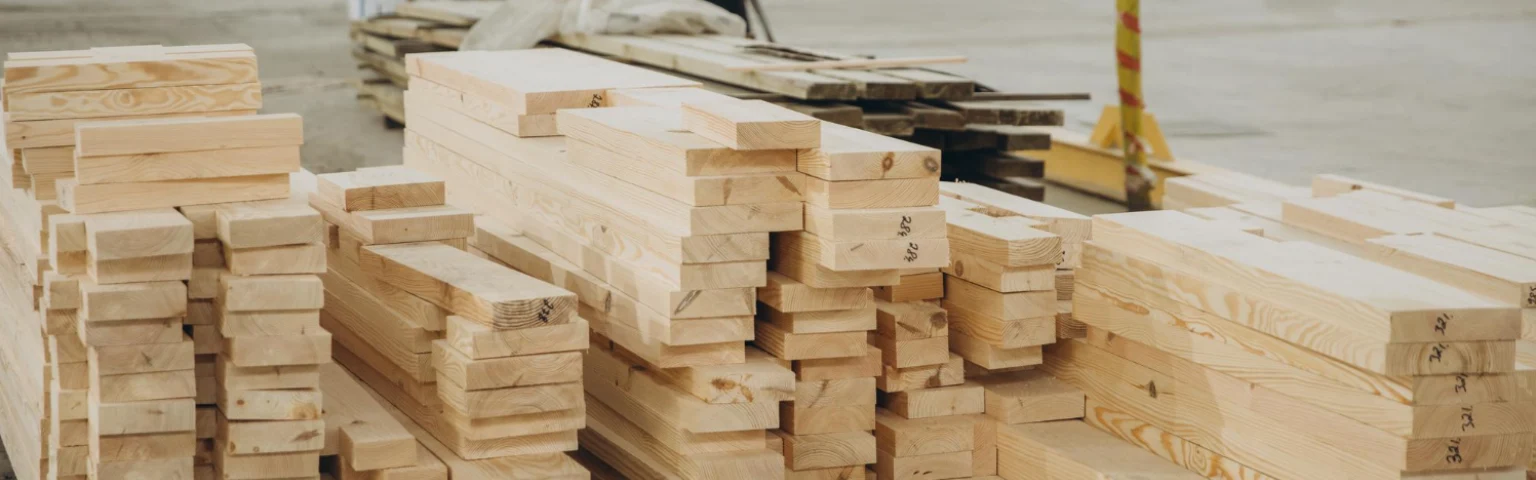
Why Wood Moisture Matters
However, the same property that makes wood attractive also makes it vulnerable to damage if moisture is not controlled properly. Excess moisture can cause wood to expand, bend, or warp, while too little moisture can make it shrink, crack, and weaken the structure.
For carpenters, furniture manufacturers, and homeowners, understanding and controlling wood moisture is crucial. Choosing wood that is properly dried and seasoned ensures that furniture remains strong, durable, and visually appealing for years.
In this guide, we will explore how wood moisture affects furniture quality, the ideal moisture levels for different furniture types, wood seasoning methods, and maintenance tips to maximize the lifespan of your furniture.
What Is Wood Moisture Content?
Water in wood exists in two main forms:
- Free Water – water present in the cell cavities, which can evaporate relatively easily.
- Bound Water – water trapped within the cell walls, which requires more time and energy to remove.
Furniture made from wood with high moisture content is prone to warping, cracking, and weak joints. Conversely, wood that is too dry may shrink excessively, leading to brittleness and structural instability.
For best results, wood should be dried to match the expected environment of its final use. For example:
- Indoor furniture: 6%–8% MC
- Semi-outdoor furniture: 8%–12% MC
- Outdoor furniture: 12%–18% MC
Controlling moisture content ensures furniture maintains its strength, stability, and visual appeal over time, avoiding costly repairs or replacements.
Ideal Moisture Content Levels for Furniture
Choosing wood with the correct moisture content (MC) is essential for long-lasting, stable furniture. The ideal MC depends on where the furniture will be placed and the regional climate. Using wood with improper moisture can lead to cracks, warping, and weakened joints over time.
Here is a quick reference for ideal wood moisture content based on furniture type:
- Indoor Furniture: 6% – 8% MC – suitable for homes, offices, and areas with controlled humidity.
- Semi-Outdoor Furniture: 8% – 12% MC – suitable for patios, verandas, and areas partially exposed to weather.
- Outdoor Furniture: 12% – 18% MC – suitable for garden furniture and items exposed to rain and sunlight.
The correct MC also depends on the climate:
- In humid regions, slightly lower MC helps prevent swelling.
- In dry regions, slightly higher MC prevents cracking.
Maintaining the ideal moisture content ensures that furniture remains stable, durable, and visually appealing for years.
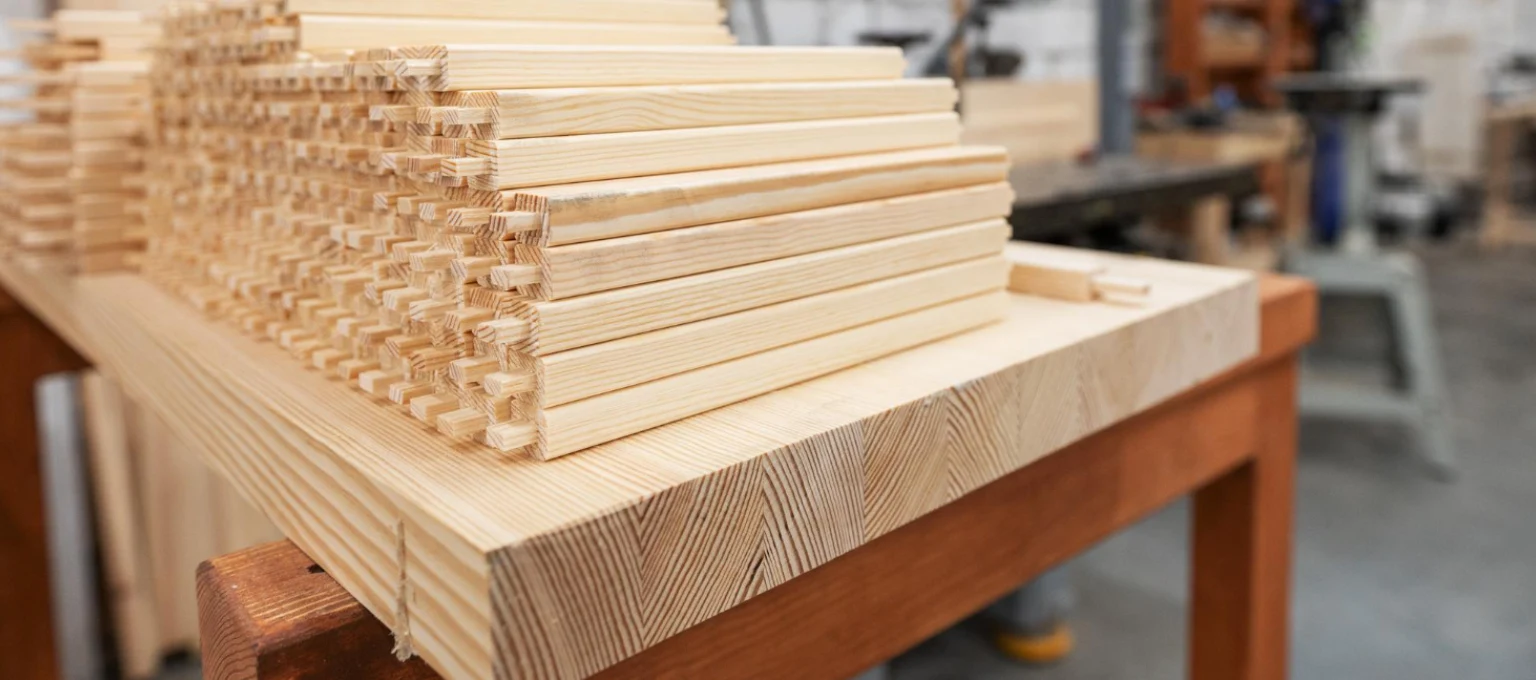
How High Moisture Damages Furniture
- Cracking & Splitting: As wood loses excess moisture over time, it shrinks unevenly, leading to cracks on tabletops, legs, and joints.
- Warping & Bending: Uneven moisture distribution can cause doors, panels, and furniture frames to bend or warp, making them unusable or unsightly.
- Fungus & Mold Growth: Moist wood creates a perfect environment for fungus and mold, which not only damages furniture but also affects indoor air quality.
- Termite Infestation: Damp wood attracts pests like termites, which can eat away the structure and compromise furniture strength.
- Weak Structural Strength: High moisture softens wood fibers, reducing load-bearing capacity and making furniture prone to breakage.
- Customer Dissatisfaction: Furniture that warps, cracks, or develops mold leads to complaints, returns, and loss of trust, especially for manufacturers and sellers.
Even small variations in moisture content can create long-term problems. This is why furniture makers prefer properly seasoned and dried wood to ensure consistent quality and durability.
Energy-Efficient Wood Seasoning Plants
Our wood seasoning plants are designed with energy efficiency at the core, utilizing advanced dehumidifier-based kiln drying technology. By optimizing energy consumption, we help businesses reduce operational costs while maintaining high-performance drying capabilities. Our systems are built to balance efficiency and sustainability without compromising the quality of processed wood.
Whether you’re operating in timber processing hubs across India or managing lumber facilities globally, our customized solutions meet your specific requirements while maintaining international quality standards.
Why Properly Seasoned Wood Is Better
Using seasoned wood has several advantages over unseasoned wood:
- Stability in Different Climates: Seasoned wood maintains its shape and size even in varying humidity or temperature, reducing the risk of warping or bending.
- Reduced Cracking & Splitting: Properly dried wood shrinks evenly, minimizing cracks in tabletops, doors, and panels.
- Stronger Joints & Structural Integrity: Seasoned wood forms tight and durable joints, enhancing furniture strength and lifespan.
- Resistance to Fungus & Pests: Lower moisture levels make it harder for mold, fungus, and termites to thrive.
- Longer Lifespan & Aesthetic Appeal: Furniture made from seasoned wood remains visually appealing and functional for years, maintaining its natural beauty.
In short, choosing seasoned, machine-dried wood over unseasoned timber ensures high-quality, long-lasting furniture that retains its strength, stability, and appearance.
Wood Seasoning Methods – How Moisture Is Reduced
Proper seasoning is essential to reduce wood moisture content to the ideal level before it is used for furniture. There are several methods used to dry wood, ranging from traditional techniques to modern industrial solutions.
- Natural / Air Drying: This is the simplest and most traditional method. Wood is stacked and left to dry naturally over months, relying on air circulation and sunlight. While it is cost-effective, this method is slow and can result in uneven moisture content. Weather conditions also greatly affect the drying process.
- Kiln / Machine Drying: In this method, wood is placed in controlled chambers called kilns. Heat, humidity, and airflow are regulated to remove moisture evenly. Kiln drying is faster than natural drying and produces wood with uniform moisture, making it ideal for commercial furniture production.
- Automatic Wood Seasoning Plants: Modern furniture industries often use automatic seasoning plants. These plants use PLC-controlled systems to monitor and maintain target moisture levels. The process is highly accurate, reduces labor, minimizes wastage, and ensures wood reaches the desired 6%–8% MC for indoor furniture.
Using properly seasoned wood not only ensures durability but also reduces future repair costs and increases customer satisfaction.
Ready to Transform Your Wood Processing?
Get a customized quote for your wood seasoning needs. Our experts are ready to help you choose the perfect solution for your business.
How to Test Moisture Before Buying Furniture
Before purchasing wood or furniture, it is important to ensure the wood has the correct moisture content (MC). Testing moisture helps prevent future problems such as warping, cracking, or weak joints. Here are the most reliable methods:
- Moisture Meter: A digital moisture meter is the most accurate tool for measuring MC. Simply place the meter’s probes on the wood surface to get an instant reading. This is highly recommended for carpenters, manufacturers, and quality-conscious buyers.
- Visual Inspection: Check for signs of moisture like a damp or soft surface, uneven grain patterns, or a fresh, woody smell. Excess moisture can sometimes be detected by slight discoloration or a glossy surface.
- Knock Test: Tap the wood lightly. Well-dried wood produces a sharp, solid sound, while wood with high moisture gives a dull, hollow sound. This simple test is useful when meters are not available.
Performing these tests ensures that the furniture you buy is made from properly dried, seasoned wood, increasing its durability and lifespan.
Maintaining Moisture Balance After Purchase
Even after buying furniture made from properly seasoned wood, maintaining the correct moisture balance is essential to ensure long-lasting durability and prevent damage. Here are some key tips:
- Avoid Wet Areas: Do not place furniture near bathrooms, kitchens, or areas prone to water exposure. Moisture can seep into wood, causing swelling and warping.
- Use Coasters and Mats: Always place hot or cold items on coasters or mats to prevent moisture rings, stains, and localized swelling.
- Control Indoor Humidity: Maintain indoor humidity between 35% – 55% using dehumidifiers or air conditioners. Excess humidity can cause wood to absorb moisture, while too dry air can lead to cracking.
- Seasonal Care: During monsoon or rainy seasons, use protective coverings or move furniture away from damp floors. Regularly inspect for early signs of moisture-related damage.
- Protective Finishes: Applying varnish, wax, or oil coatings helps create a barrier against moisture absorption and prolongs furniture life.
Following these simple maintenance steps ensures your furniture remains stable, attractive, and long-lasting even in varying environmental conditions.
Consequences of Ignoring Moisture
- A furniture manufacturer used wood that was not properly dried for making a set of indoor chairs and tables.
- Within six months, the furniture began to warp and develop cracks due to uneven moisture loss.
- Some panels showed early signs of fungus growth in corners where humidity accumulated.
- The company faced customer complaints and returns, leading to financial loss and a damaged reputation.
This example highlights that even a small oversight in controlling wood moisture can result in significant quality issues. Using properly seasoned wood and maintaining the correct moisture balance is essential to prevent such problems and ensure furniture longevity.
Always choose properly dried and machine-seasoned wood for your furniture projects. Regularly check and maintain moisture balance to protect your investment and enjoy long-lasting, high-quality furniture.
For furniture manufacturers and homeowners alike, investing in wood with the correct moisture content is a simple yet powerful way to ensure quality, stability, and customer satisfaction over the years.