
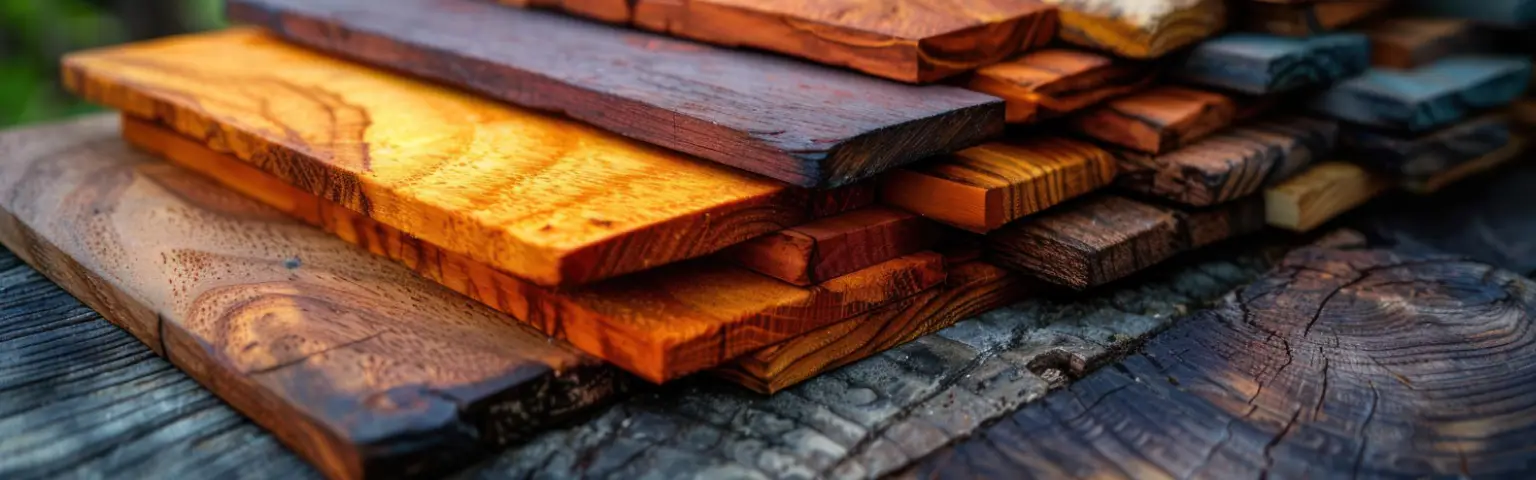
In today’s competitive wood manufacturing landscape, speed, quality, and consistency define who survives and who struggles. Traditional wood seasoning methods, such as open–yard drying and manual heat chambers, often take weeks and still leave timber with uneven moisture levels, cracks, fungal growth, and low structural strength. As industrial buyers demand high–grade, export-quality timber for furniture, sports goods, plywood, flooring, and packaging, manufacturers are facing increasing pressure to modernize. This shift has paved the way for automatic wood seasoning plants – closed-chamber, digitally controlled wood drying systems that drastically improve the wood seasoning process. Automation eliminates errors, reduces dependency on weather, and accelerates production without compromising finish quality. For modern wood factories looking to scale, improve margins, and meet global quality benchmarks, automated wood drying is no longer optional – it’s a competitive advantage.
Why Traditional Wood Seasoning is Failing
For decades, wood seasoning across India and global markets has been carried out using open–yard drying or basic chamber heat treatments. While these methods worked for small-scale carpentry operations, they no longer match the production requirements of modern wood industries. Manual drying relies on climate conditions and can take 30 to 120 days, which delays production cycles, increases storage costs, and impacts order delivery timelines.
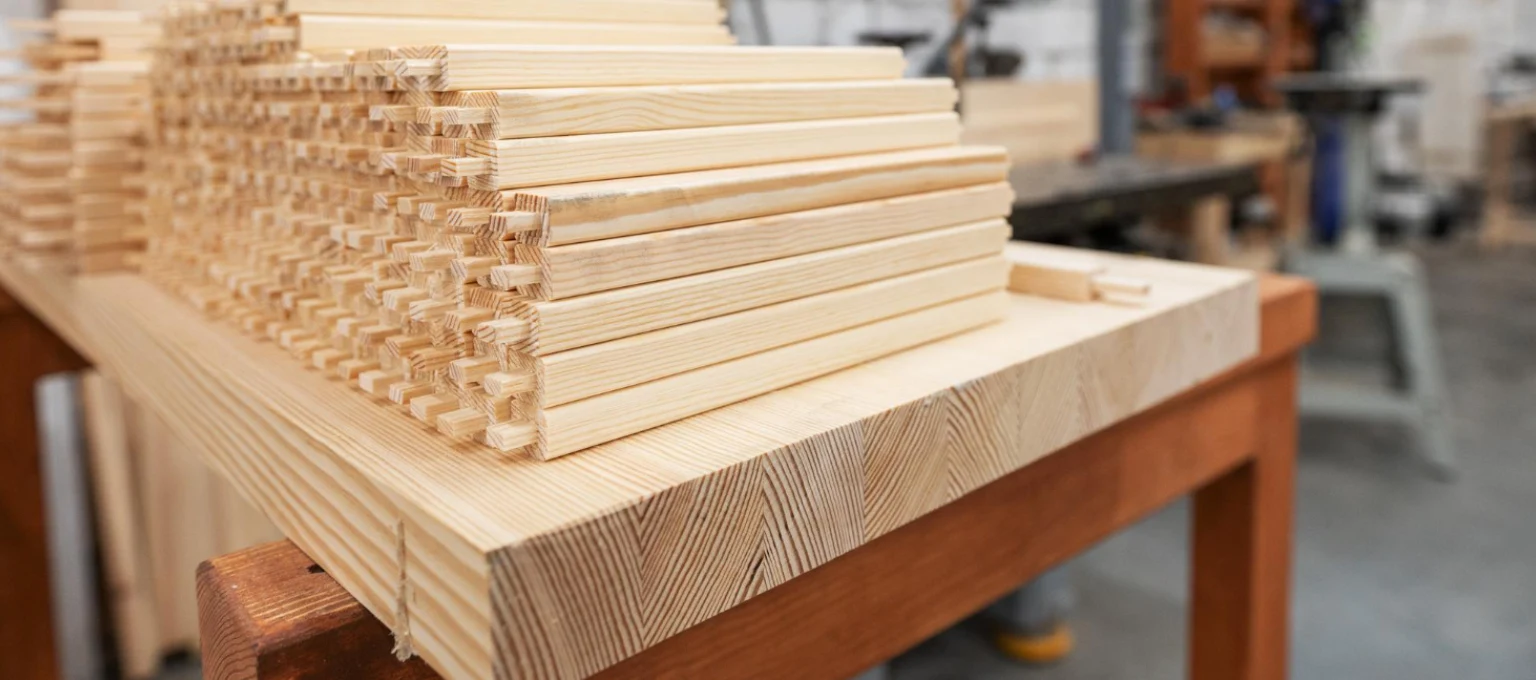
Another major drawback is inconsistent moisture removal. Different layers of wood dry at different speeds, leading to 10–30% of timber developing cracks, bending, warping, and internal stress. In an industry where usable output defines profit, this wastage directly reduces ROI. Manufacturers also face demand variations — when sudden bulk orders come in, traditional drying cannot scale or respond quickly.
Moreover, manual methods offer almost no control over temperature and humidity, which are essential for achieving export-grade standards. As global buyers now demand 6–8% moisture content, traditional systems fail to meet certification norms required for furniture, sports equipment, plywood panels, and architectural wood.
Because of these limitations, industries are now forced to rethink their process and adopt technology-driven wood drying solutions.
What is an Automatic Wood Seasoning Plant?
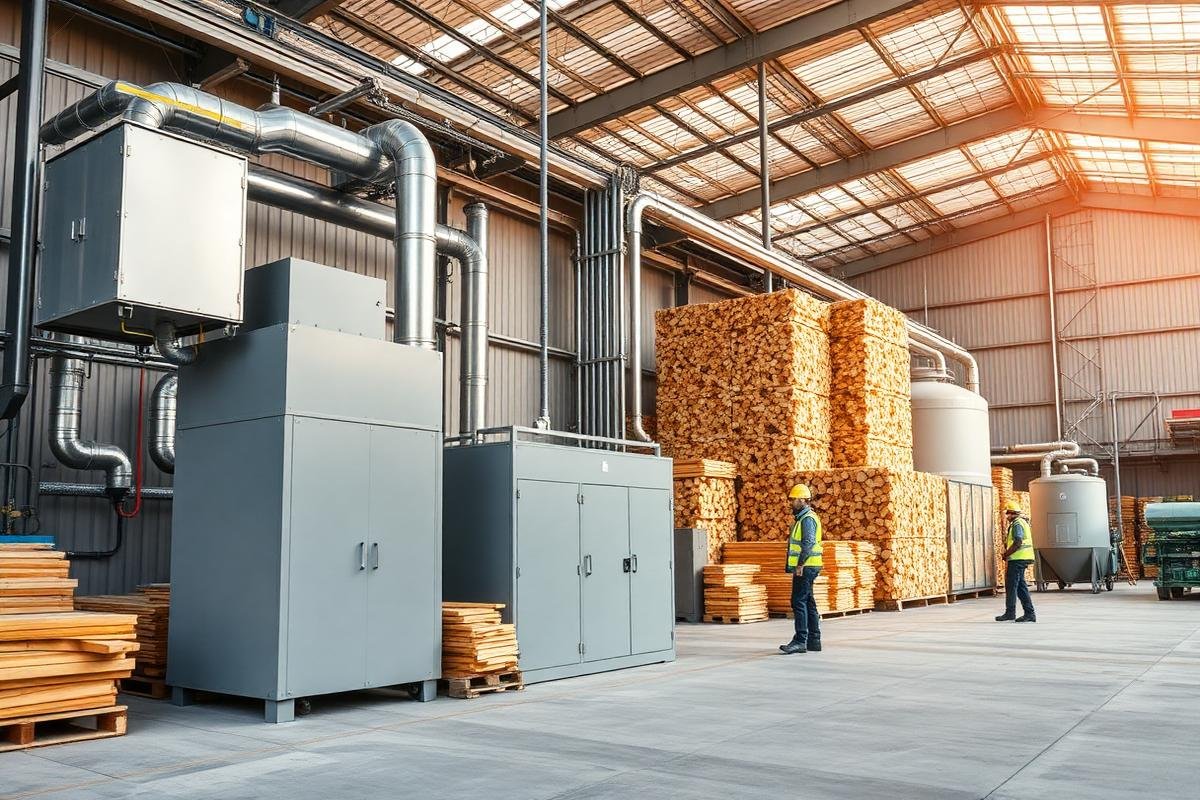
An Automatic Wood Seasoning Plant is a fully enclosed, technology–driven kiln system designed to remove moisture from timber with precision–based temperature, humidity, and airflow control. Unlike open drying, where wood is exposed to uncontrolled climate conditions, an automated seasoning plant creates a micro-controlled environment to ensure even drying from surface to core.
These plants are equipped with PLC-based automation, where every stage of drying — heating, humidity release, airflow circulation, and cooling — is pre-programmed and monitored digitally. Moisture levels are constantly tracked through sensors placed inside the timber stack, helping achieve a uniform 6–8% moisture content, which is essential for export-grade wood.
The process takes place inside a kiln chamber made of industrial steel panels and a thermal insulation system to retain heat efficiently. Whether the wood is softwood, hardwood, or premium sports timber, the automated kiln adjusts its cycle to protect grain structure and mechanical strength.
In simple terms, an automatic wood seasoning plant is a modern wood drying system that guarantees faster cycles, reduced wastage, and consistent quality for large-s
Core Reasons Modern Industries Prefer Automatic Seasoning Plants
Modern wood industries — including furniture factories, plywood manufacturers, sports equipment makers, interior design material suppliers, and timber exporters — are increasingly shifting to automatic seasoning plants because they deliver consistent, scalable, and profitable drying outcomes. Below are the major reasons behind this adoption:
Core Reasons Modern Industries Prefer Automatic Seasoning Plants
Modern wood industries — including furniture factories, plywood manufacturers, sports equipment makers, interior design material suppliers, and timber exporters — are increasingly shifting to automatic seasoning plants because they deliver consistent, scalable, and profitable drying outcomes. Below are the major reasons behind this adoption:
Faster Drying Cycles
Automatic systems reduce drying time from 30–120 days to just 7–15 days, depending on wood type. Shorter cycles mean faster dispatch, more production batches per month, and increased business capacity.
Consistent Moisture Levels (6–8%)
A critical industry requirement is uniform moisture level throughout the wood — from surface to core. Automated plants track moisture via digital sensors to achieve accurate 6–8% MC, eliminating internal cracks and stress.
Export-Grade Finishing
International buyers reject wood that swells or bends after manufacturing. Automated seasoning ensures wood remains dimensionally stable, meeting export certification standards required in Europe, USA, and Middle East markets.
Lesser Wood Damage & Cracks
Because drying is controlled rather than extreme or uneven, only 1–3% material loss occurs — compared to 10–30% wastage in traditional drying.
Reduced Labor Cost
Manual drying requires manpower for handling, stacking, turning, and climate monitoring. Automatic plants remove this dependency with pre-programmed cycles and minimal manpower.
High Production Scalability
Whether a unit needs 500 CFT or 2000+ CFT per batch, automation enables scalability without adding workforce or space.
Technical Advantage of Automatic Systems
Automatic wood seasoning plants are not just “heated chambers” — they are engineered technical systems built for precision performance. Their core strength lies in the digital control technology that allows factories to maintain consistent output regardless of season, timber quality, or production volume.
Modern systems use real–time temperature and humidity sensors that continuously monitor internal chamber conditions. If heat rises too quickly, the plant automatically adjusts airflow or releases steam to avoid wood stress. Likewise, if humidity remains high, the system increases exhaust control to balance moisture extraction gradually — protecting the natural grain and cell structure.
A major advantage is Digital Moisture Content (MC) Monitoring. Sensors embedded inside selected wood planks transmit data to the control panel, helping operators know exactly when the batch reaches the ideal 6–8% MC, ensuring batch–wise quality assurance.
Energy efficiency is another critical highlight. Instead of heating continuously, automation uses energy–optimized cycles that reduce costs by 20–30% compared to traditional electrical heating. Some advanced units even support remote monitoring dashboards, enabling plant operators to review cycle progress and alerts from a mobile device.
In short, automation ensures drying is scientific, predictable, repeatable, and profitable.
Ready to Transform Your Wood Processing?
Get a customized quote for your wood seasoning needs. Our experts are ready to help you choose the perfect solution for your business.
Learn more about wood seasoning techniques to ensure long-lasting, high-quality furniture.
Business Benefits & ROI
Beyond technical performance, the biggest reason companies shift to automatic wood seasoning plants is clear financial return. Traditional drying increases storage time, labor cost, and raw material wastage — causing a direct loss in profit. When wood bends or cracks after cutting, the usable size reduces, ultimately shrinking sellable inventory.
Automatic plants, however, protect every cubic foot of timber, helping companies convert maximum raw wood into billable finished products. With faster cycles, factories can double or even triple production batches in the same month — increasing annual revenue capacity without expanding space or manpower.
On average, manufacturers report that the investment cost of an automatic seasoning plant is recovered within 12–18 months, depending on batch size and type of wood being processed. Additionally, by meeting export-grade moisture standards, businesses unlock access to overseas buyers where pricing per cubic foot is significantly higher.
When viewed from a long–term business lens, automation builds cost-efficiency, scalability, and guaranteed output, making it a strategic move rather than just a machinery purchase.
How to Select the Right Automatic Seasoning Plant
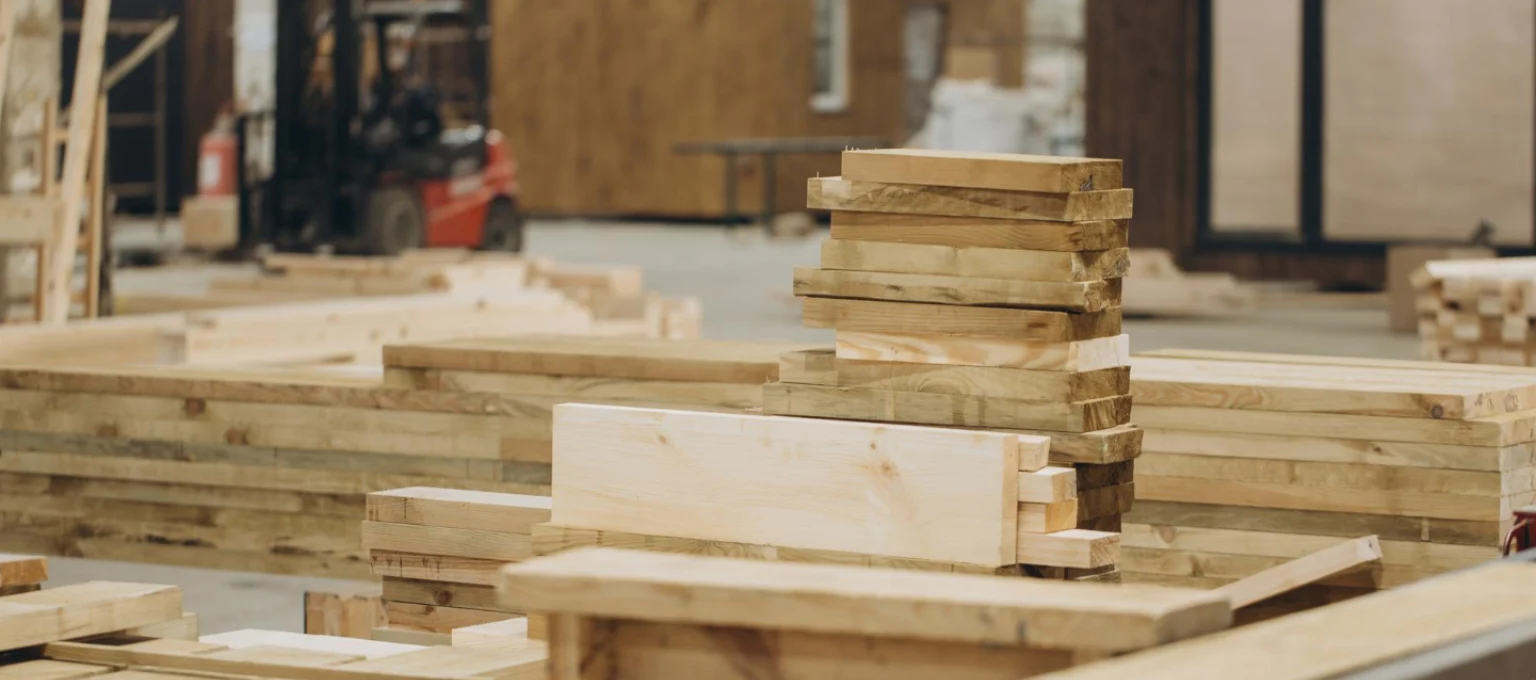
Choosing the right automatic seasoning plant is an important investment decision that directly affects long-term performance and profitability. Businesses must consider capacity first, because the plant should match production needs — small units may start with 500–800 CFT, medium factories prefer 1000–1500 CFT, and large-scale exporters often choose 2000+ CFT capacity to meet continuous demand.
Next, evaluate wood type and drying sensitivity. Hardwoods like teak, oak, ash, and maple require slower, controlled cycles, while softwoods may dry faster. Ensure the system includes programmable recipes to suit multiple timber categories.
The heating source is another deciding factor — options include steam-based heating, heat-pump / hybrid systems, or electrical heating. Steam systems are efficient for large-scale operations, while heat-pump technology is preferred for energy savings.
Maintenance and support also matter. Ask vendors whether AMC (Annual Maintenance Contracts), spare parts, and remote monitoring assistance are available. A supplier who offers installation, training, and after-sales support will ensure consistent performance without downtime.
Finally, compare offers based on price, warranty, automation level (PLC control), and moisture sensor technology before purchasing. Always check whether the seller is an industrial wood seasoning plant manufacturer rather than only a trader — this ensures better technical customization and long-term support.
Comparison Table – Manual vs Automatic Drying
| Feature / Factor | Manual Wood Drying | Automatic Seasoning Plant |
|---|---|---|
| Drying Time | 30–120 days (weather dependent) | 7–15 days, controlled cycle |
| Moisture Uniformity | Uneven, high internal stress | Consistent 6–8% MC |
| Wastage / Cracking | 10–30% wood loss | 1–3% material loss |
| Labor Requirement | High manpower required | Minimal labor – automated PLC control |
| Weather Impact | Fully dependent on climate | Works 24×7 in all seasons |
| Production Output | Slow, unpredictable | Scalable, predictable batch planning |
| Export Eligibility | Mostly fails standards | Meets international certification levels |
Automatic Wood Seasoning Plants
1993
- Faster Drying:Reduces wood seasoning time from 30–120 days to just 7–15 days.
- Consistent Moisture Levels:Digital sensors ensure uniform 6–8% MC, preventing cracks and warping.
- Reduced Wastage & Labor :Only 1–3% material loss and minimal manpower needed compared to traditional methods.
- Export-Grade Quality: Dimensionally stable wood meets international certification standards for furniture, plywood, and sports goods.
Trusted Since
1993
To explore pricing, custom capacity options, or installation guidance — Contact us today and upgrade your wood production.