
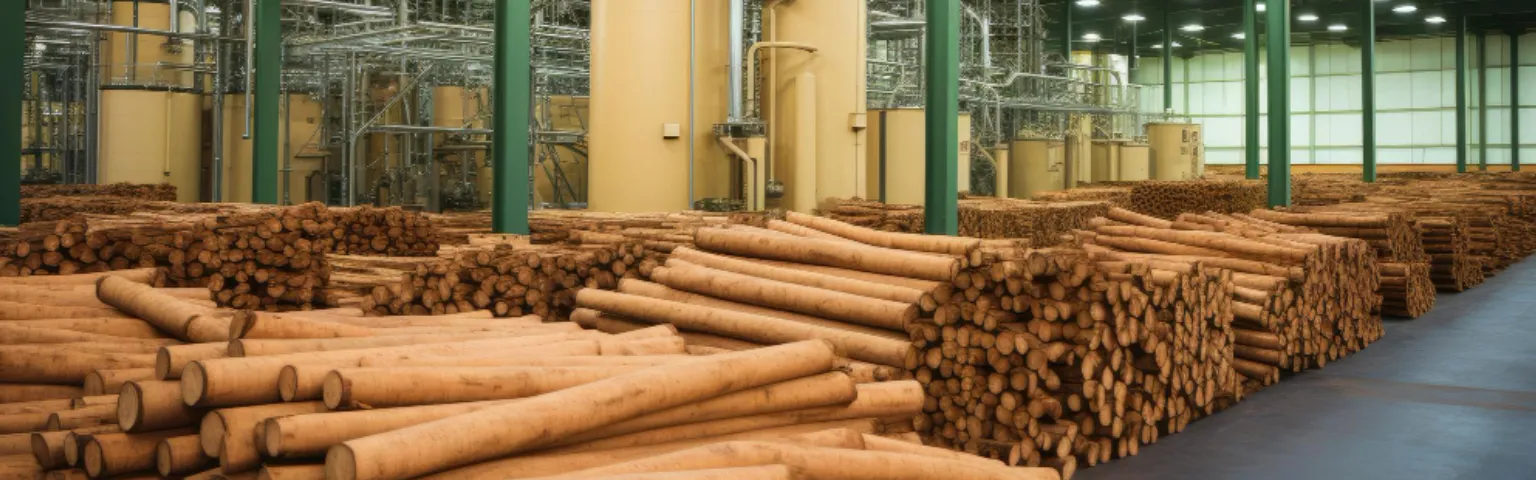
What Is a Wood Seasoning Plant?
Why Wood Seasoning Is Needed (Importance & Benefits)
Seasoning is one of the most essential steps in preparing wood for industrial use. Without proper seasoning, timber remains weak, unstable, and vulnerable to natural defects. Fresh wood has high moisture content, and if it is used directly in furniture or construction, it can bend, twist, shrink, crack, or develop fungal infection over time. This results in product failure, customer complaints, and heavy commercial losses for manufacturers.
For industries, the biggest benefit is higher wood value. Seasoned wood sells for a better price and increases profit margins. Businesses producing doors, furniture, pallets, wooden flooring, packaging boxes, and carpentry materials gain long-term durability and customer trust when they use well-seasoned timber. Thus, seasoning is not just a process—it is an investment that directly impacts product quality, brand reputation, and operational efficiency.
Types of Wood Seasoning Methods (Comparison Section) –
Wood seasoning can be performed using different techniques, depending on time sensitivity, budget, and production requirements. Broadly, there are two major methods: Natural Seasoning and Artificial Seasoning, with artificial seasoning being further advanced using Kiln Drying Systems and Automatic Wood Seasoning Plants.
Natural Seasoning (Open-Air Drying)
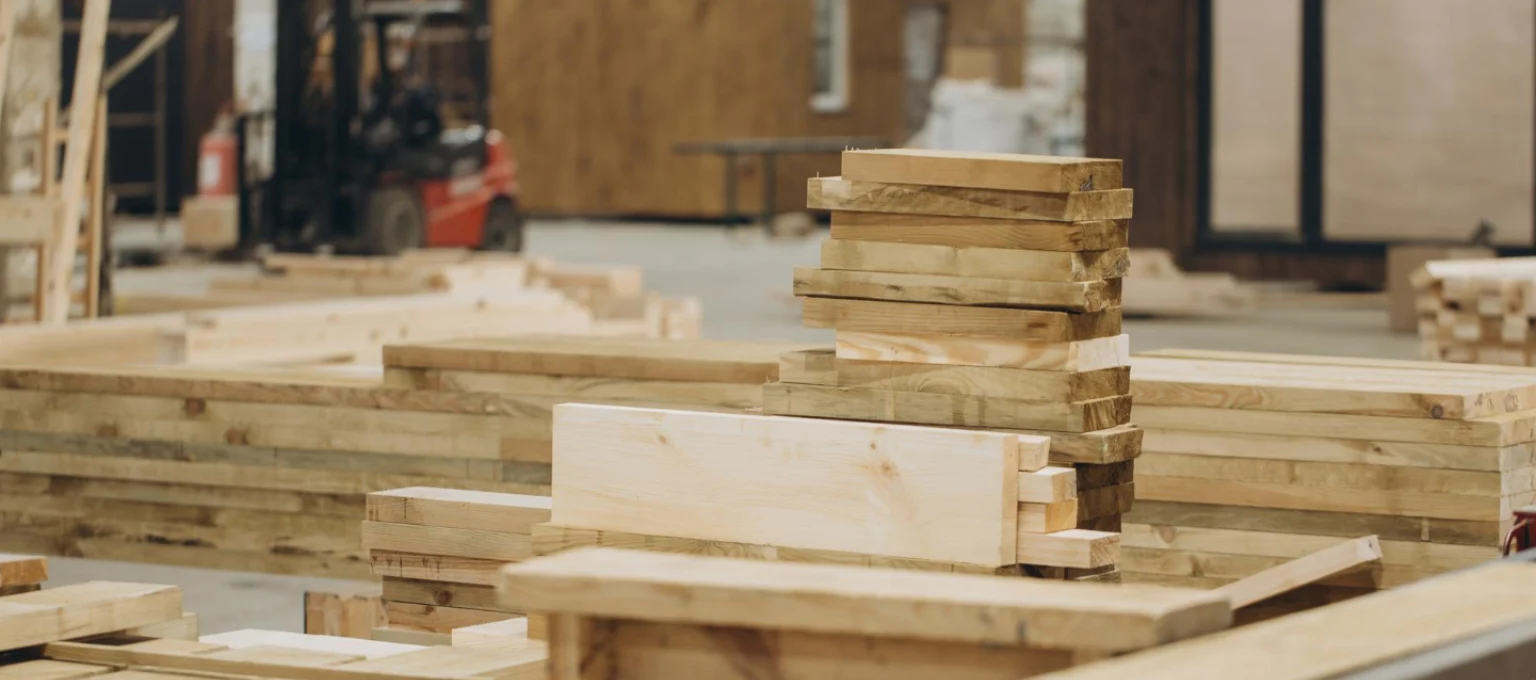
This is the oldest and simplest form of drying timber. Wooden logs are stacked in open space where sun and wind help evaporate moisture. Although cost-effective, it is very slow, taking 30–120 days depending on weather. Moisture is not uniform, and wood often faces cracking, insect attacks, and bending during the process.
Artificial Seasoning
To meet commercial production demands, industries now use artificial seasoning systems. These systems offer controlled heat, humidity, and airflow, ensuring faster and consistent results.
Common Types Include:
Steam Kiln Drying – Uses steam to heat the chamber and dry wood faster. Suitable for medium-scale industries.
Electrical Kiln Drying – Uses electricity-based heaters; best for locations without steam availability.
Dehumidifier Kiln – Removes moisture using a dehumidification unit, ideal for low energy consumption.
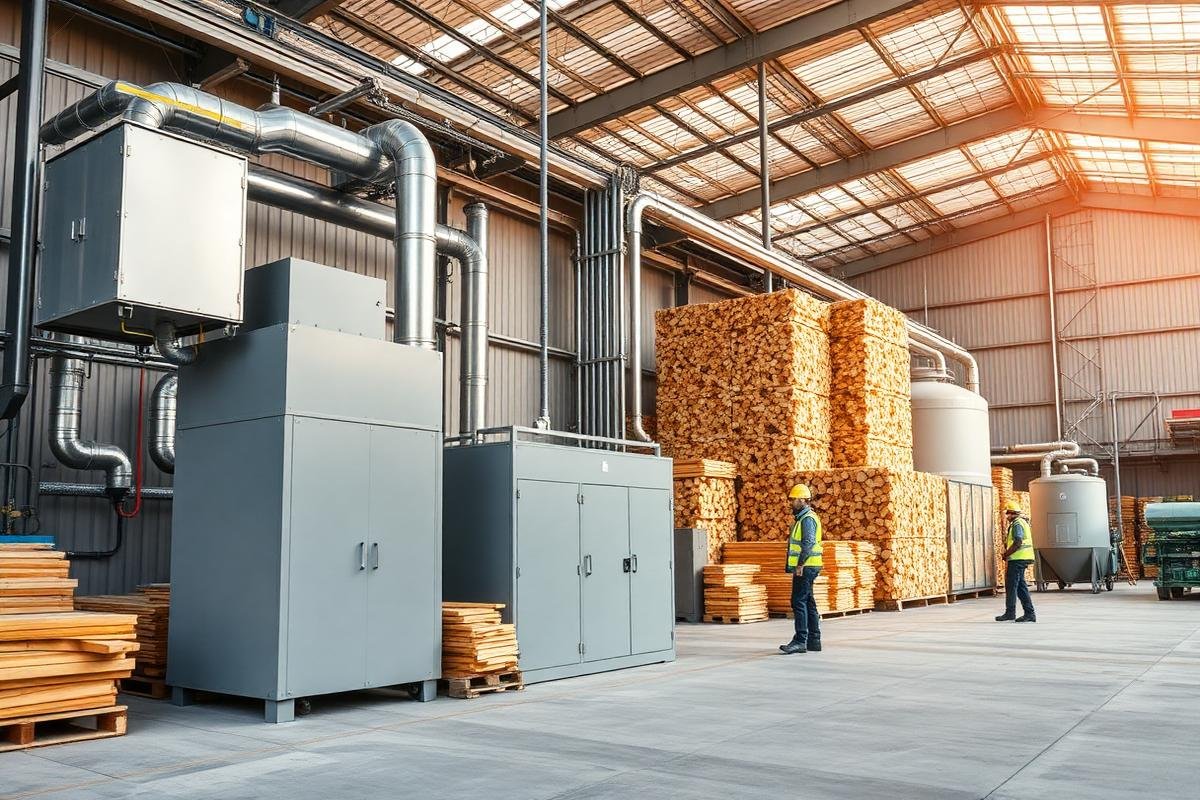
Automatic Wood Seasoning Plant – A fully-controlled PLC-based system used by modern industries. It ensures uniform moisture (6–8%), fast cycles (7–15 days), and minimal labor
| Method | Time Required | Uniformity | Wastage Risk | Best For |
|---|---|---|---|---|
| Natural Seasoning | 30–120 days | Low | High | Small local carpenters |
| Kiln Drying | 7–20 days | Medium–High | Medium | Small to large factories |
| Automatic Seasoning Plant | 7–15 days | Very High | Very Low | Industrial manufacturers |
Automatic Wood Seasoning Plants
1993
- Faster Drying:Reduces wood seasoning time from 30–120 days to just 7–15 days.
- Consistent Moisture Levels:Digital sensors ensure uniform 6–8% MC, preventing cracks and warping.
- Reduced Wastage & Labor :Only 1–3% material loss and minimal manpower needed compared to traditional methods.
- Export-Grade Quality: Dimensionally stable wood meets international certification standards for furniture, plywood, and sports goods.
Trusted Since
1993
How Wood Seasoning Plant Works – Complete Process Explained
Step-By-Step Working Process
Step :1 Loading the Timber
Freshly cut wood is stacked inside the seasoning chamber in a specific airflow pattern to ensure even circulation. Proper stacking prevents wood bending and promotes uniform drying.
Step :2 Heating Cycle Begins
The chamber is heated using steam boilers or electrical heaters depending on plant type. Heat penetrates the wood and loosens internal moisture.
Step 3: Moisture Extraction & Air Circulation
Powerful fans circulate hot air inside the chamber. Moisture evaporates from the wood surface and is expelled through vents or dehumidifiers.
Step 4: Humidity & Temperature Control (PLC System)
Modern Automatic Wood Seasoning Plants include PLC controls that continuously monitor wood moisture levels and adjust heat, airflow, and humidity automatically. This eliminates human error.
Step 5: Conditioning & Stress Relief Stage
The temperature is reduced gradually to prevent sudden shrinkage. This allows wood fibers to balance and lock moisture at an ideal 6–8%.
Step 6: Unloading & Quality Check
Once the cycle is complete (generally 7–15 days depending on wood type and thickness), timber is unloaded and checked for moisture, strength, and weight.
Types of Wood Seasoning Plants
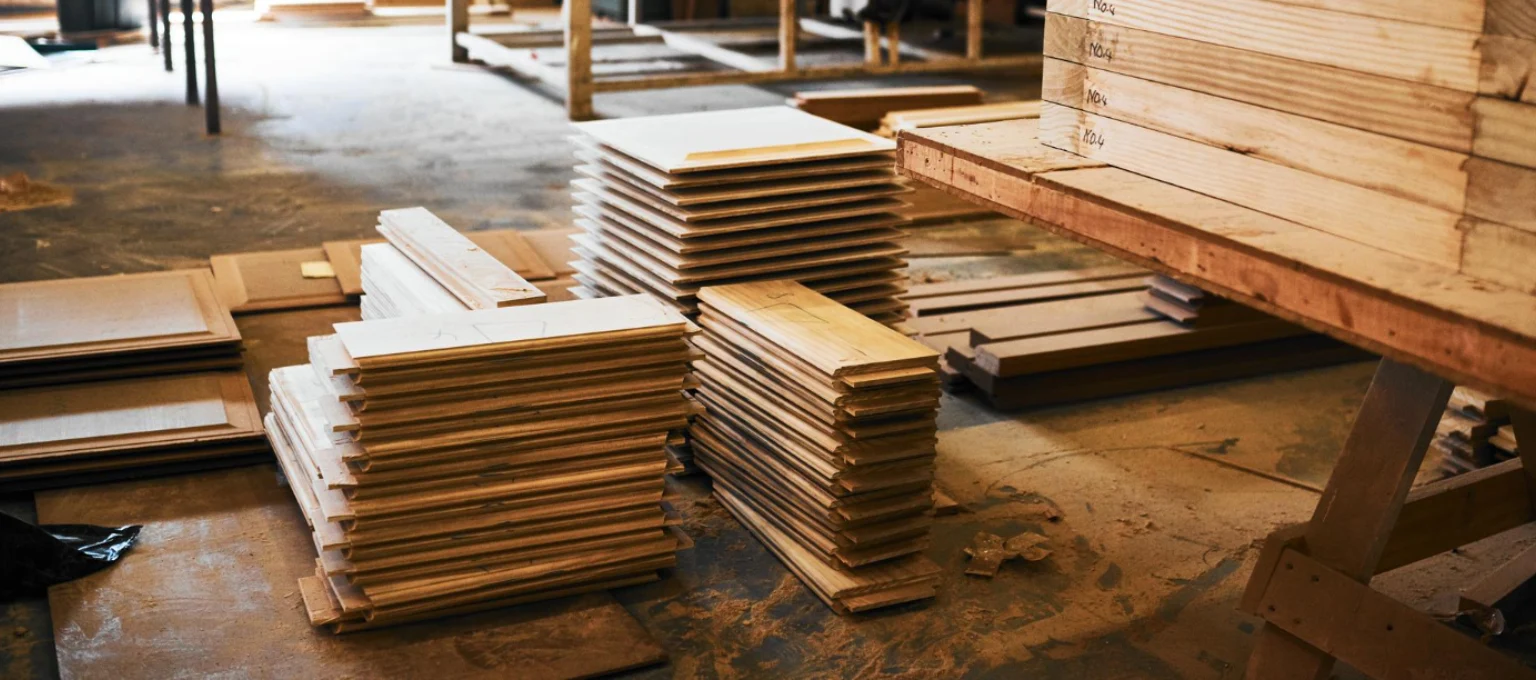
Wood Seasoning Plants come in different models and capacities depending on production scale, wood volume, and industry requirements. Modern manufacturers choose based on energy efficiency, automation level, and space availability.
Common Types Include:
|
Type :1 - Steam-Based Wood Seasoning Plant Uses steam boilers to heat chambers. Best for medium to large industrial setups where continuous bulk drying is required. |
Type : 2 -️ Electrical Wood Seasoning Kiln Operates using electric heaters and sensors. Ideal for regions where steam setup is complex or unavailable. Suitable for small to medium production. |
|
Type :3 - Dehumidifier-Based Kiln Plant Removes moisture using a dehumidification unit. Energy-efficient and provides stable drying for sensitive wood species. |
Type :4- PLC Automatic Wood Seasoning Plant Advanced fully-controlled seasoning system offering auto temperature control, auto humidity control, 24×7 monitoring, and uniform moisture (6–8%). Preferred by furniture manufacturers, exporters, and industrial wood units. |
Benefits of Using an Automatic Wood Seasoning Plant
Modern wood-based industries increasingly prefer Automatic Wood Seasoning Plants because they offer speed, accuracy, and superior quality compared to natural drying or basic kiln systems. The biggest benefit is time efficiency — automatic plants can dry wood in 7–15 days, whereas traditional drying may take 30–120 days depending on weather. This means businesses can maintain continuous production without waiting for seasonal drying.
From a business perspective, automatic plants help reduce material wastage, enhance wood strength, and improve product consistency — resulting in higher profit margins and reduced complaints from customers. Energy usage is also optimized because the system operates only at required levels, making it a cost-efficient investment in the long run.
How to Choose the Right Wood Seasoning Plant
Selecting the right Wood Seasoning Plant depends on your production capacity, type of wood processed, available space, and long-term business goals. The first factor to consider is chamber size — choose a capacity that matches your monthly production so the plant can operate continuously without bottlenecks. Next, check the heating method (steam, electrical, or dehumidifier-based) and decide which model is easier to operate and maintain in your region.
Wood Seasoning Plant Price & Installation Guidance
Ask your supplier for a detailed quote that includes shipping, installation, testing, and operator training. While the initial price is important, consider the long-term benefits of reduced wood wastage, faster turnaround, and higher product quality — factors that improve ROI for your wood business.
Safety, Maintenance & Best Practices
A Wood Seasoning Plant performs best when operated safely and maintained regularly. Always ensure proper stacking of timber to prevent airflow blockage and uneven drying. Operators should follow temperature and humidity guidelines to avoid overheating or sudden moisture loss, which can damage wood fibers. Routine maintenance includes cleaning air ducts, checking heaters or boilers, servicing fans, and calibrating PLC sensors. Safety precautions such as fire safety systems, insulation checks, and protective gear for workers must be implemented. Conduct periodic moisture tests to verify output quality. Following these practices ensures longer machine life, reduced downtime, and consistently superior wood seasoning results.
Why Investing in a Wood Seasoning Plant Matters
If you’re planning to upgrade or Install a Wood Seasoning Plant, reach out to a trusted supplier for expert guidance and a customized solution that fits your production needs. Start today and enhance the life and value of every piece of wood you process.